
CROCHETED
OR KNITTED 1st Aid kit BANDAGES   These are good to knit for personal use, for storage in your first aid kits. They can be boiled and reused if needed, and are sturdier than gauze. These were formerly called "LEPROSY BANDAGES". Most places where we used to send them, now use other types of bandages to help people with Hansens Disease. You can still make them for your family First Aid kits though. They are machine washable and dryable. Various BYU Womens Conference Service Project PATTERNS
Size: approximately
3" - 4" inches wide by
4 feet long. Material specifications: No. 10 knit Cro-sheen, 100% mercerized cotton in white, cream or ecru. (1 small ball 225 yds- should make 1 knitted bandage) 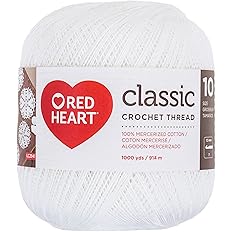 Knitting needles: US 2 = 2.75 mm = UK size 12 US size 3 = 3.25 mm = UK size 10 Crochet hooks: US size D = 3.00 mm = UK size 11 US size E = 3.50 mm = UK size 9 Do not use dyes/colors. *When completed, roll bandages and secure with a large (2") safety pin. *Put in plastic bag, remove air, and seal. TO PRINT JUST THE PATTERNS If you wish to print these patterns, left click on your mouse and hold the button down, drag the curser over the words you wish to print to highlight them, then let go of button. Hit ctrl-C to copy. Then open up WORD and paste (ctrl-V) it in there. Hand Knitted Bandage: Use US size 2 = 2.75 mm = UK size 12 OR US size 3 = 3.25 mm = UK size 10 knitting needles if you knit average or loosely, size 3 needles if you knit tightly. 8 sts = 1" 12 rows = 1" Cast on 24 to 27 stitches so the bandage measures 3"- 4" across. Knit every row until bandage is desired length of about 4 feet long, then bind off, leaving a 2-3" tail to weave in. (The edge looks neater if you slip the first stitch of each row instead of knitting it.) Secure tail by slipping thread through last stitch, tying a small knot, and weaving end back through stitches. Crocheted Bandage: Use US size D = 3.00 mm = UK size 11 or US size E = 3.50 mm = UK size 9 (looser tension desirable). Chain enough stitches (23-26) to measure 3" - 4" in width. (GAUGE: 23 chs and an E hook, and it takes about 6 rows to equal one inch.) Row 1: Single crochet into each chain. Chain 1 and turn. Rows 2: Single crochet into each sc across row. Ch 1 and turn. Continue to single crochet to end, chain 1 and turn Row 3 - ? (4 feet long) Repeat row 2 until bandage measures about 4' long. Finish off by pulling thread through last loop and secure with a knot. Weave end back through stitches. I use a sewing needle to do this. ************************************************************************************************* 
Afghans
/ Armed
forces
/ Babies/Preemies
/ Barbie
Doll clothes / Children
/ Cross
Stitch / Hospital
/ Household
/ Humanitarian
Aid / Plastic
Canvas / Seniors
/ Winter
*
©
COPYRIGHT:
All
content is
copyrighted to original creators as stated on their patterns. You
may provide a direct
LINK to the patterns on my pages,
but you may NOT
post
actual full patterns anywhere in any media form. Any
items made from
patterns © to Beverly Qualheim may be sold, but please make
one for charity too.
|